Skip to content

Psychology

Psychology

Our psychologists support children’s emotional wellbeing, behaviour and thinking skills, with warm, play-based support for the whole family.

  • From preschoolers to teens, with support for parents and carers too.
  • Clinics, schools, kinders, home & telehealth
  • NDIS · Medicare · Private
They care about safety so I definitely recommend them Google review

What is child psychology?

Child psychology supports children’s emotional wellbeing: how they feel, think, behave and get along with others. A child psychologist can help children understand and manage worries, big feelings, changes in behaviour, friendship challenges and difficulties with attention or learning.

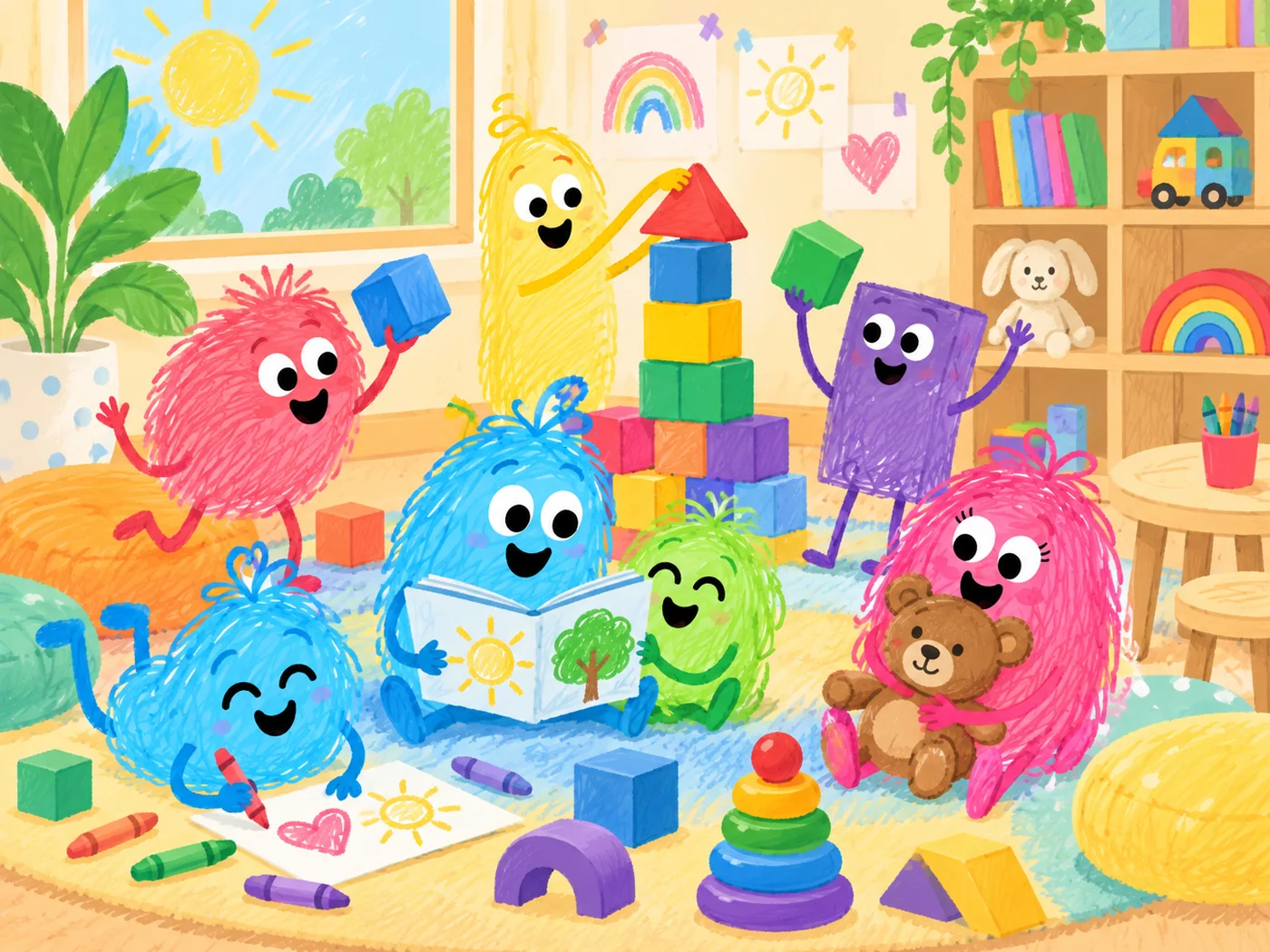
At Scribble, our psychologists work in a warm, play-based way. Younger children might explore feelings through drawing, stories, puppets or games, while older children and teens may prefer to talk things through. We also work closely with parents and carers, sharing practical strategies so the whole family feels more confident and connected. Sessions are paced to suit your child, and we take time to build trust so your child feels safe, heard and comfortable. Where helpful, our psychologists also offer assessments, including autism, ADHD and cognitive assessments.

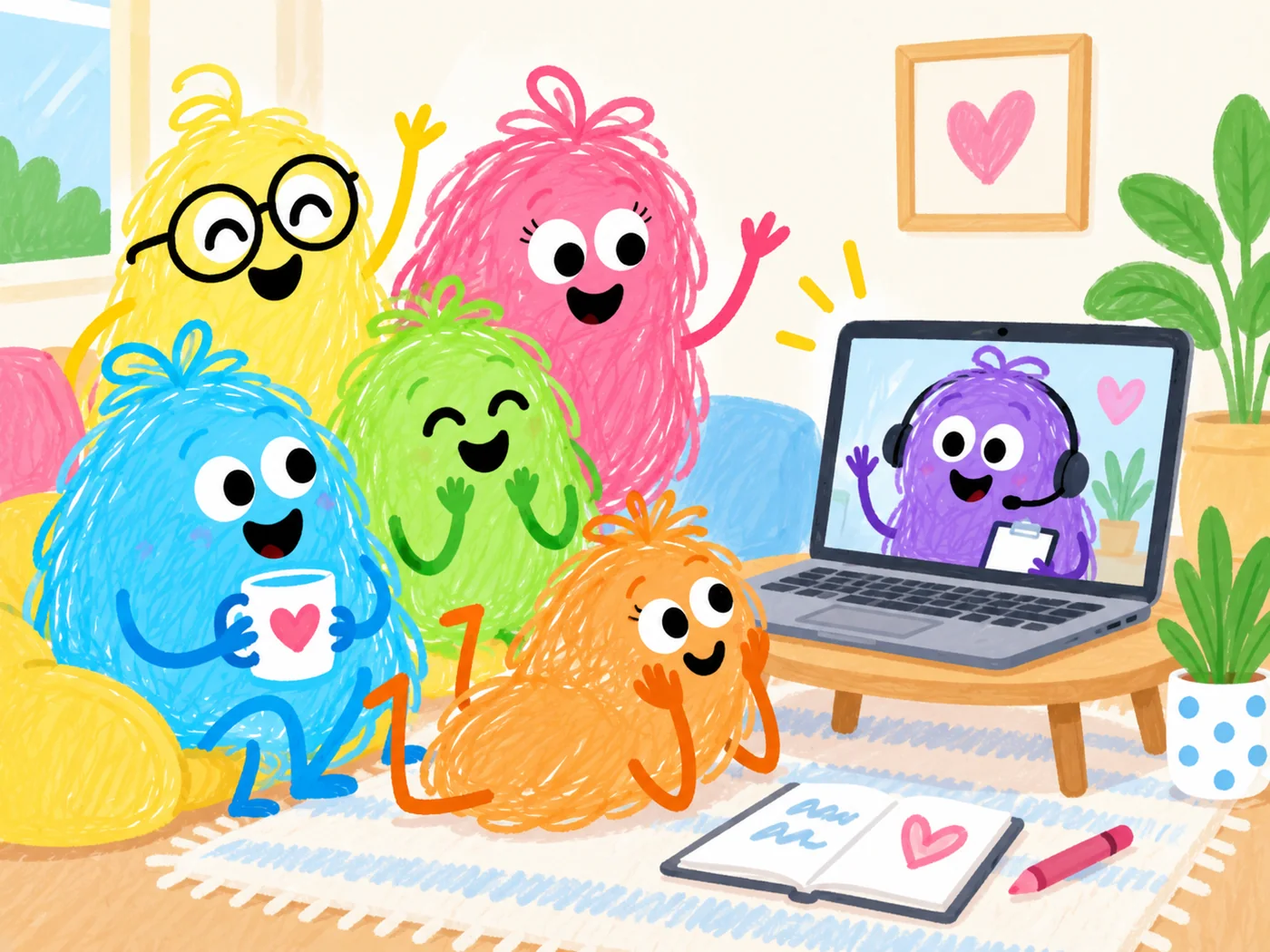
We see children across Melbourne at our Werribee, Craigieburn, Moonee Ponds and Caroline Springs clinics, and can also support children at school, kinder or home, or via telehealth. You don’t need a diagnosis to reach out. If you’re worried about your child’s wellbeing or behaviour, our child psychologists can help you make sense of what’s happening and plan the next steps together.


Who it’s for: Children and families seeking understanding and practical strategies, with or without a diagnosis.

How we help

What our psychology team helps with

Every child is different, so support is always tailored to your child and your family’s goals.

01

Emotional wellbeing, worries and anxiety

All children feel worried sometimes, but for some, worries get in the way of school, sleep or everyday life. We help children notice and name their feelings and learn calming and coping strategies, using tools like feelings charts, worry monsters and brave-step plans.

02

Behaviour support and regulation

Behaviour is often a way of communicating a need. We work with families to understand what sits behind challenging moments and to build calmer routines, clear and kind responses, and regulation skills your child can use when feelings run high.

03

Confidence, friendships and social skills

Making and keeping friends, handling disagreements and feeling good about themselves can be hard for some children. Through role-play, games and gentle conversation, we help children build confidence and find ways of connecting that feel right for them.

04

Thinking, attention and learning

Some children find it hard to focus, remember instructions, plan or keep up with learning. We help you understand how your child thinks and learns, and share practical strategies for home and the classroom. Where helpful, this may include a cognitive or ADHD assessment.

Is it time?

When to consider psychology

Every child develops at their own pace. These are general signs that a chat with us could help, not a checklist for a diagnosis.

  • Worrying a lot, or avoiding places, people or activities because of worries
  • Frequent meltdowns, big feelings or anger that are hard to settle
  • Changes in sleep, appetite, mood or energy that last more than a few weeks
  • Finding it hard to make or keep friends
  • Not wanting to go to school or kinder
  • Low confidence, or often saying negative things about themselves
  • Difficulty focusing, sitting with tasks or managing impulses
  • Finding it hard to cope after a big change, such as a move, new sibling or family separation

Not sure? Trust your instincts and get in touch or try our “Can we help?” tool.

Our approach

The Scribble way

  • Play-based and child-led

    Children often express feelings more easily through play than words. We meet your child where they’re at, using play, art and games alongside conversation.

  • Family-centred

    Parents and carers are a big part of the picture. We work with you on strategies that suit your family and help you feel more confident supporting your child.

  • Neurodiversity-affirming

    We respect how each child thinks and experiences the world. Our aim is wellbeing and a good quality of life, not making children fit a narrow idea of how they should behave.

  • Working as a team

    Our psychologists work alongside our speech pathologists and occupational therapists, and with schools and doctors, so support is joined up around your child.

Getting started

What sessions look like

  1. 1

    Get in touch

    Contact us or send a referral. We’ll talk about your concerns and help you choose a clinic, school, home or telehealth option that works for your family.

  2. 2

    First session

    Often the first session is with parents or carers, so we can hear your child’s story. We then spend time getting to know your child in a relaxed, playful way.

  3. 3

    Goals and a plan together

    We share our understanding of what’s happening and agree on goals together, with your child involved in a way that suits their age.

  4. 4

    Regular sessions and reviews

    Sessions build skills and confidence over time, with strategies for you to use at home. We check in regularly and adjust the plan as needs change.

Working together

Support that fits your child’s world

  • We work closely with parents and carers, and can include parent-only sessions where that helps.
  • With your permission, we can link in with your child’s kinder or school to share strategies and support consistency across settings.
  • We can communicate with your GP or paediatrician about your child’s plan and progress.
  • Our psychologists collaborate with Scribble’s speech pathologists and occupational therapists when your child sees more than one of us.
Our team

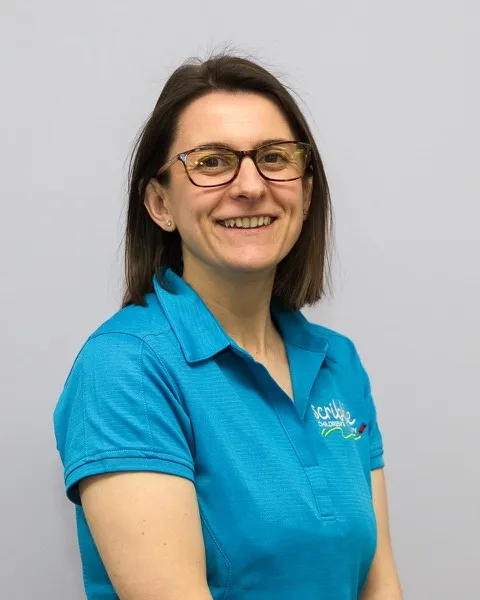
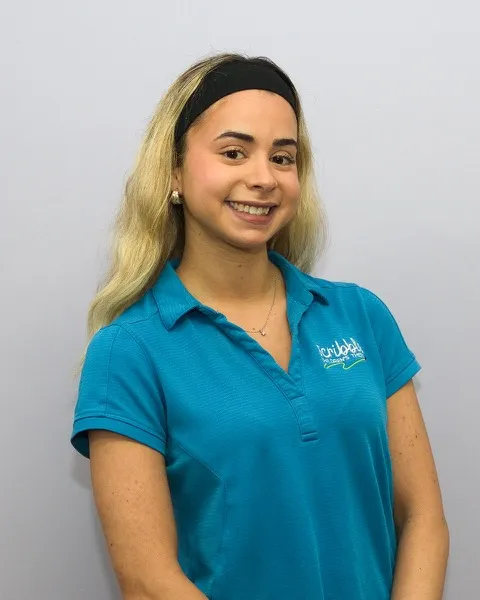
Meet our psychologists

Warm, experienced clinicians who love working with kids.

  • Steven, Psychologist
    StevenPsychologist
  • Sarah, Psychologist
    SarahPsychologist
  • Chloe, Psychologist
    ChloePsychologist
  • GeniePsychologist

Fees & funding

There are a few ways to fund therapy. We’ll help you work out what applies to your family.

  • NDIS

    We welcome self-managed and plan-managed participants.

  • Medicare

    Partial rebates with a GP Chronic Disease Management plan, or a Mental Health Treatment Plan for psychology.

  • Private & health funds

    Pay privately. Your health fund may reimburse part of the fee, depending on your extras cover.

See fees, rebates and funding

Psychology: common questions

  • Richelle, Admin
  • Lily, Practice Manager
  • Florence, Occupational Therapist
  • Portia, Occupational Therapist
  • Steven, Psychologist
  • Thomas, Speech Pathologist – Supervisor

40+ friendly faces, ready to help

Ready to talk about psychology?

Send a referral online or book a time that suits. We’ll take it from there, together.