
How we help
ADHD support
We help children with attention, activity and impulse differences thrive at home and school, building on their energy, creativity and strengths.

- Support from Psychology & Occupational Therapy
- Assessments available
- NDIS · Medicare · Private
I strongly recommend to everyoneGoogle review
Understanding ADHD
ADHD describes differences in attention, activity levels and impulse control. Children with ADHD often bring real strengths too: energy, creativity, curiosity and the ability to hyperfocus on things they love.
The everyday challenges tend to show up around sustained attention, organisation and regulating big feelings or impulses. With the right strategies and a supportive environment, children can play to their strengths and feel more in control.
We focus on practical strategies that fit your family and your child’s classroom, rather than trying to make your child sit still and stay quiet.

Strengths we often see
Every child is unique. These are some of the strengths we regularly see and love to build on.
Many children with ADHD have loads of energy and enthusiasm

Many are creative, imaginative and full of ideas

Many are curious and love exploring new things

Many can focus deeply on activities they find interesting
Many are spontaneous, fun and quick to have a go
Many are warm, kind-hearted and sensitive to others’ feelings
Signs you might notice
Every child is different. This is a general guide, not a diagnosis.
- Difficulty sustaining attention on less-preferred tasks
- High energy, restlessness or a need to move
- Acting before thinking, or finding it hard to wait
- Challenges with organisation, routines and transitions
- Strong focus on things they’re interested in (hyperfocus)
- Big, fast-changing emotions that can be hard to regulate
When to reach out
If attention, activity or big feelings are making everyday life harder for your child (at home, at kinder or at school), it may be worth reaching out. You don’t need a diagnosis to get support. We can start with practical strategies now, and talk with you about an ADHD assessment if you’d like a clearer picture.
Trust your instincts. If you or your child’s teacher have noticed ongoing challenges, getting support early can help your child feel more confident and understood, and help your family find routines that work.

A team around your child
Depending on what your child needs, one or more of our disciplines can help, and they talk to each other.
Psychology
- ADHD assessment for a clearer understanding
- Emotional regulation and confidence
- Strategies for attention, planning and everyday routines
Occupational Therapy
- Organisation, routines and getting-ready sequences
- Movement and sensory needs built into the day
- Participation at school and in daily activities
Assessments
We offer ADHD assessments as part of our psychology service. An assessment usually includes talking with you, gathering information from home and school, and observing your child. We’ll walk you through what’s involved before we start.
The team who support ADHD
Warm, experienced clinicians who love working with kids.

BrunaOccupational Therapist – Supervisor 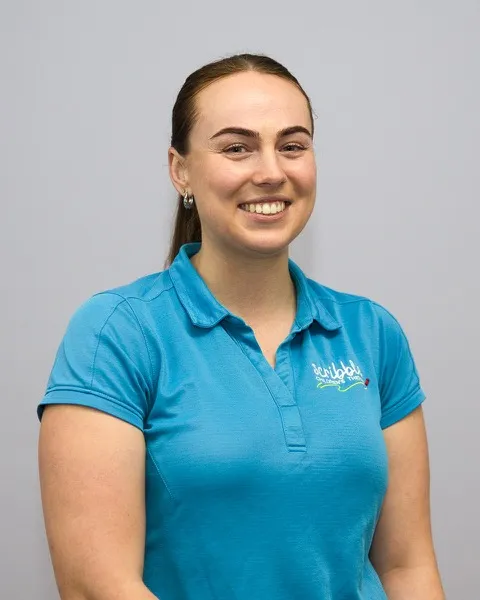
JasmynOccupational Therapist – Supervisor 
ElisabethOccupational Therapist – Supervisor 
CarloOccupational Therapist 
FlorenceOccupational Therapist 
AmaniOccupational Therapist 
MeiOccupational Therapist 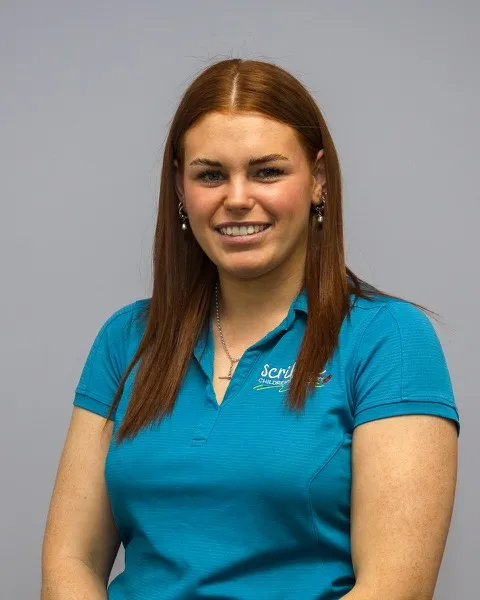
JorjaOccupational Therapist 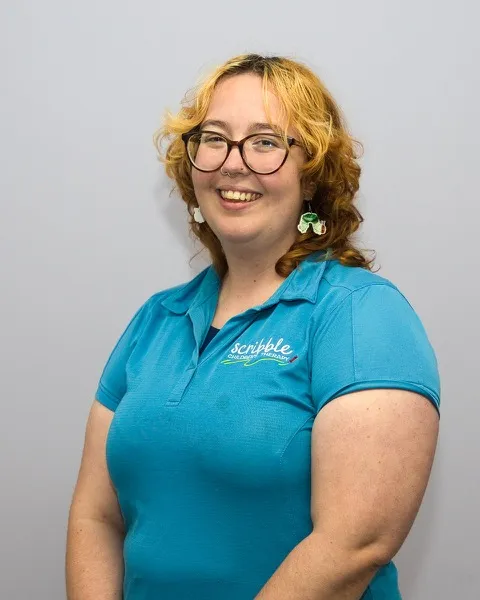
MadelineOccupational Therapist 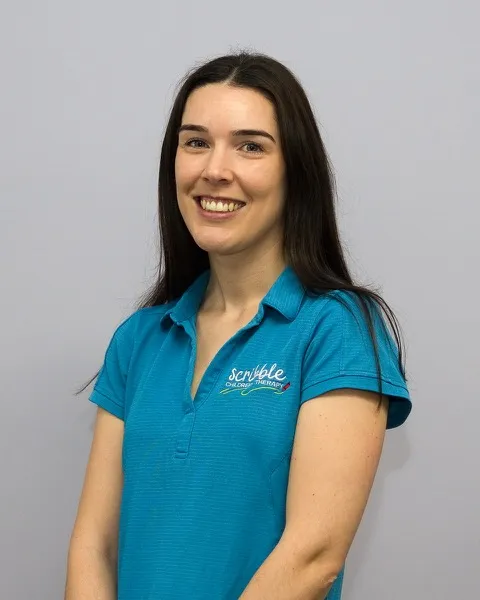
PortiaOccupational Therapist 
PatriciaOccupational Therapist 
YukiOccupational Therapist 
TillyOccupational Therapist 
MadisonOccupational Therapist - Photo coming soon
LauraOccupational Therapist 
StevenPsychologist 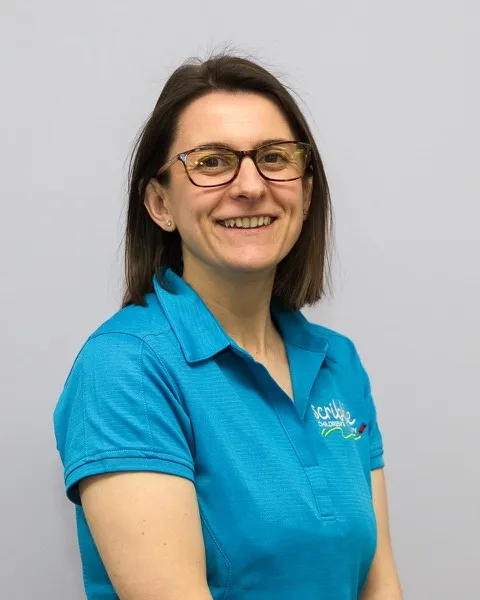
SarahPsychologist 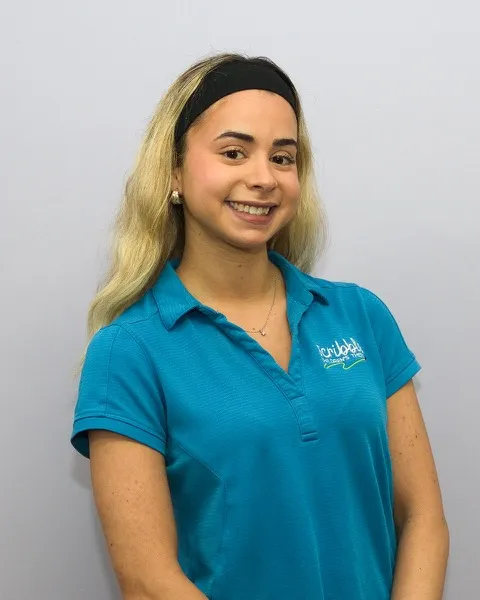
ChloePsychologist - Photo coming soon
GeniePsychologist
What support looks like at Scribble
- 1
Understanding your child
We listen to your observations, learn about your child’s strengths and interests, and look at where things feel hardest: at home, kinder or school.
- 2
Practical, shared goals
We set goals together, such as smoother mornings, managing big feelings or getting started on schoolwork.
- 3
Strategies that fit your child
Psychology and occupational therapy sessions build skills for regulation, organisation and confidence, with movement and play built in.
- 4
Support at home and school
We share strategies with you and your child’s educators, review progress regularly and adjust support as your child grows.
Common myths about ADHD
There’s a lot of information out there. Here are a few things families often ask us about.
- Myth
ADHD is caused by bad parenting.
ADHD is not caused by parenting. It relates to differences in how the brain develops. Parents can, though, play a big part in helping their child thrive.
- Myth
Children with ADHD just need to try harder.
Children with ADHD are often trying very hard. Their brains work differently with attention and impulses, so the right strategies and support make more difference than effort alone.
- Myth
Children with ADHD can’t concentrate on anything.
Many children with ADHD can focus intensely on things they enjoy. The challenge is usually with tasks that feel less interesting or have lots of steps.
- Myth
Only boys have ADHD, and it always looks like hyperactivity.
ADHD can affect children of any gender. Some children are very active, while others seem quiet, dreamy or easily distracted, which can be easier to miss.
Working with educators
- With your permission, we can share practical strategies with teachers, such as visual checklists, short instructions and movement breaks
- Where your child has an assessment, we can gather information from kinder or school and share recommendations with educators
- We can suggest classroom adjustments that help your child focus and feel successful
- We can help build consistent routines and language between home and school
Things that can help at home
Small, everyday ideas you can try. Your therapist will tailor these to your child.
Break instructions into one or two steps at a time
Build in movement breaks between focused tasks
Use visual timers and checklists for routines
Notice and name effort, not just results
ADHD support across Melbourne
At our four clinics, or at your child’s school, kinder, home or online.
Four Melbourne clinics
Support at our clinics in Melbourne’s west and north. Bright, welcoming spaces designed for play.
Mobile
We Come To You
Therapy in your home and community, where your child is most comfortable.
In schools
Schools
We partner with schools to support students in their everyday learning environment.
Early years
Kindergarten & Childcare
Early-years support in kinder and childcare settings, alongside educators.
Online
Telehealth
Secure online sessions from anywhere in Australia. Flexible and family-friendly.
Related areas we support
Autism
We support autistic children and their families with warm, strengths-based, play-led therapy, working with your child, not trying to change who they are.
Learn moreSensory processing
When the world feels too loud, bright or busy, or not busy enough, our occupational therapists can help your child feel calmer and more in control.
Learn more




40+ friendly faces, ready to help
Ready to talk about ADHD support?
Send a referral online or book a time that suits. We’ll take it from there, together.