
How we help
Sensory processing support
When the world feels too loud, bright or busy, or not busy enough, our occupational therapists can help your child feel calmer and more in control.

- Support from Occupational Therapy & Psychology
- No diagnosis needed to start
- NDIS · Medicare · Private
I strongly recommend to everyoneGoogle review
Understanding sensory processing
Sensory processing is how a child takes in and responds to information from their senses: sound, sight, touch, movement, taste and smell, plus the body’s internal signals. Children experience this differently.
Some children are sensitive and try to avoid certain input; others seek out lots of movement or deep pressure; many are a mix. These differences often go alongside autism or ADHD, but a child doesn’t need a diagnosis for sensory support to help.
Our aim is to understand your child’s sensory preferences and weave simple strategies into everyday routines, so they can settle, take part and feel like themselves.

Strengths we often see
Every child is unique. These are some of the strengths we regularly see and love to build on.
Many children with sensory differences notice details others miss: sounds, colours, textures and changes in their surroundings

Many feel things deeply and are sensitive to the feelings of others

Many are enthusiastic movers who love climbing, jumping and active play

Many know what helps them once they’ve found it, and can learn to ask for it

Many are creative and enjoy hands-on, sensory-rich activities

Signs you might notice
Every child is different. This is a general guide, not a diagnosis.

- Strong reactions to sounds, textures, lights or smells
- Seeking lots of movement, spinning, crashing or deep pressure
- Avoiding messy play, certain clothing or grooming
- Difficulty settling, or big swings in energy
- Getting overwhelmed in busy places like shops or parties
- Trouble with everyday tasks like dressing, mealtimes or sleep
When to reach out
If your child’s reactions to sounds, textures, movement or busy places are making everyday life hard (dressing, eating, sleep, kinder or school), it may help to talk with an occupational therapist. You don’t need a diagnosis to get sensory support.
Trust your instincts. You’re not overreacting, and neither is your child. Understanding their sensory needs early can make daily routines calmer for your child and your whole family.
A team around your child
Depending on what your child needs, one or more of our disciplines can help, and they talk to each other.
Occupational Therapy
- Understanding your child’s individual sensory profile
- Sensory strategies built into daily routines
- Support for regulation, participation and self-care
- Recommendations to adjust home, kinder and school settings
Psychology
- Support where sensory overwhelm links to worry or big feelings
The team who support sensory processing
Warm, experienced clinicians who love working with kids.

BrunaOccupational Therapist – Supervisor 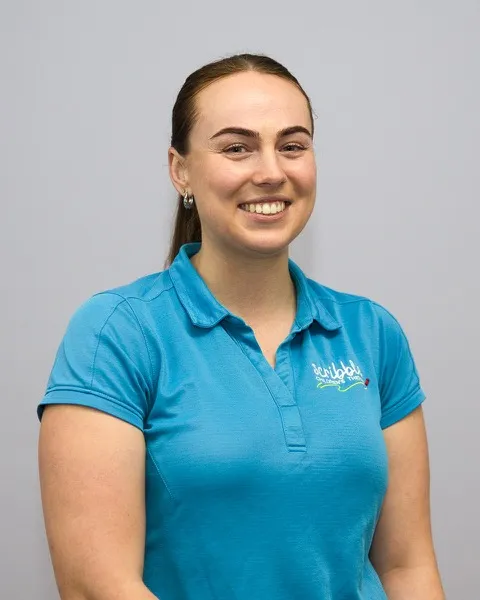
JasmynOccupational Therapist – Supervisor 
ElisabethOccupational Therapist – Supervisor 
CarloOccupational Therapist 
FlorenceOccupational Therapist 
AmaniOccupational Therapist 
MeiOccupational Therapist 
JorjaOccupational Therapist 
MadelineOccupational Therapist 
PortiaOccupational Therapist 
PatriciaOccupational Therapist 
YukiOccupational Therapist 
TillyOccupational Therapist 
MadisonOccupational Therapist - Photo coming soon
LauraOccupational Therapist 
StevenPsychologist 
SarahPsychologist 
ChloePsychologist - Photo coming soon
GeniePsychologist

What support looks like at Scribble
- 1
Understanding your child’s sensory profile
Your OT spends time with your child and talks with you to learn what your child seeks out, avoids and finds calming.
- 2
Goals for everyday life
Together we set goals around the routines that matter, such as getting dressed, mealtimes, sleep or managing busy places.
- 3
Playful, active sessions
Sessions use movement, play and hands-on activities to help your child regulate and take part, with psychology support if worries or big feelings are part of the picture.
- 4
Strategies at home and school
We build simple sensory strategies into your family’s routines and share them with educators, then review and adjust as your child grows.
Common myths about sensory processing
There’s a lot of information out there. Here are a few things families often ask us about.
- Myth
They’re just being fussy or naughty.
Strong reactions to sensory input are often real and hard for a child to control. Understanding what’s behind the behaviour helps us respond with the right support.
- Myth
Sensory differences are caused by parenting.
Sensory differences are not caused by parenting. They reflect how a child’s nervous system takes in and responds to information.
- Myth
Every child with sensory differences avoids noise and touch.
Some children avoid sensory input, others seek it out, and many are a mix. That’s why we look at each child’s individual sensory profile.
- Myth
They’ll get used to it if we keep exposing them.
Pushing a child through overwhelming experiences can make things harder. Gentle, supported steps and changes to the environment tend to help more.

Working with educators
- With your permission, we can share your child’s sensory preferences and strategies with kinder and school staff
- We can suggest classroom adjustments, such as movement breaks, a quiet space, seating options or noise-reducing headphones
- We can visit kinder or school to observe your child in their everyday environment
- We can help plan for busy times like assemblies, excursions and transitions
Things that can help at home
Small, everyday ideas you can try. Your therapist will tailor these to your child.
Notice what settles your child and what tips them over
Offer calming input: deep pressure, quiet spaces, movement breaks
Prepare your child before busy or noisy places
Keep everyday routines calm and predictable
Sensory processing support across Melbourne
At our four clinics, or at your child’s school, kinder, home or online.
Four Melbourne clinics
Support at our clinics in Melbourne’s west and north. Bright, welcoming spaces designed for play.



Mobile
We Come To You
Therapy in your home and community, where your child is most comfortable.

In schools
Schools
We partner with schools to support students in their everyday learning environment.

Early years
Kindergarten & Childcare
Early-years support in kinder and childcare settings, alongside educators.

Online
Telehealth
Secure online sessions from anywhere in Australia. Flexible and family-friendly.
Related areas we support
Autism
We support autistic children and their families with warm, strengths-based, play-led therapy, working with your child, not trying to change who they are.
Learn moreADHD
We help children with attention, activity and impulse differences thrive at home and school, building on their energy, creativity and strengths.
Learn more



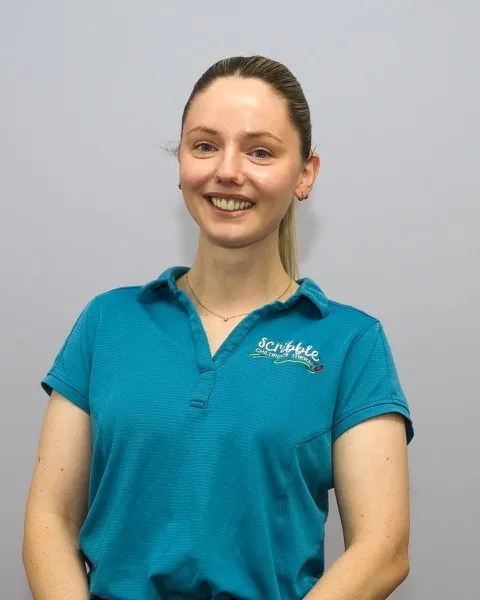
40+ friendly faces, ready to help
Ready to talk about sensory processing support?
Send a referral online or book a time that suits. We’ll take it from there, together.