
How we help
Speech & language delay
If your child is a late talker or hard to understand, our speech pathologists can help, with playful, practical support you can carry into everyday life.
- Support from Speech Pathology
- No diagnosis needed to start
- NDIS · Medicare · Private
I strongly recommend to everyoneGoogle review
Understanding speech & language delay
Children develop communication at their own pace, but sometimes talking, understanding language, or being understood by others takes longer than expected. This can show up as a late start with words, unclear speech, or difficulty following what’s said.
Speech and language are related but different. Some children understand plenty but say little; others talk a lot but are hard to understand. A speech pathologist can help work out what’s going on and where to focus.
Early support can make a real difference, and it doesn’t have to feel like hard work. Most of what we do looks like play.

Strengths we often see
Every child is unique. These are some of the strengths we regularly see and love to build on.
Many late talkers are strong communicators in other ways: pointing, gestures, facial expressions and actions

Many understand far more than they can say
Many are determined and keep trying to get their message across

Many are keen observers who learn a lot by watching
Many love play, books and songs, great ways in to building language

Signs you might notice
Every child is different. This is a general guide, not a diagnosis.

- Fewer words than you’d expect for their age
- Hard for unfamiliar listeners to understand
- Understands more than they can say, or the reverse
- Frustration when trying to communicate
- Leaving off sounds or swapping one sound for another
- Difficulty following instructions or answering questions
When to reach out
If your child isn’t using as many words as you’d expect, is hard for others to understand, or seems frustrated when trying to communicate, it’s okay to reach out. You don’t need a diagnosis to ask for advice. A speech pathologist can help you understand where your child is at.
Trust your instincts. It’s common to be told to “wait and see”, but getting advice early can give you practical ideas to use now, and help your child feel more confident communicating.
A team around your child
Depending on what your child needs, one or more of our disciplines can help, and they talk to each other.
The team who support speech & language delay
Warm, experienced clinicians who love working with kids.
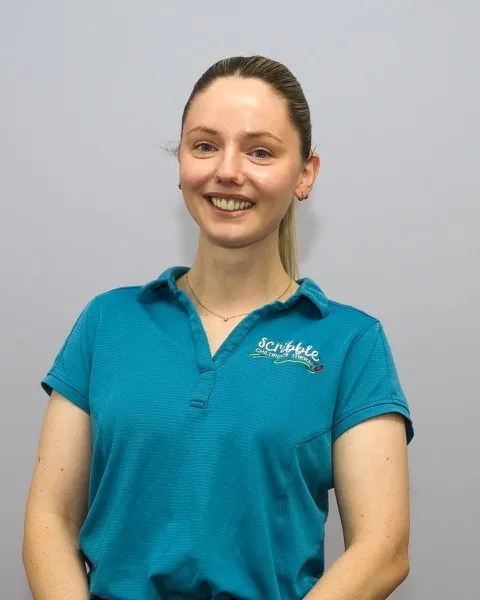
HannahSpeech Pathologist – Supervisor 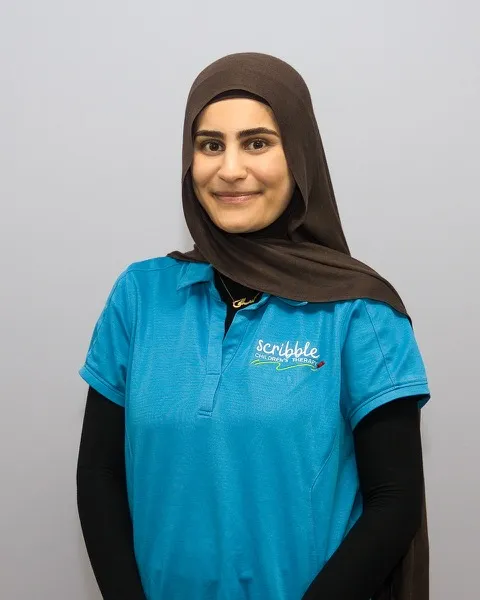
SajaSpeech Pathologist – Supervisor 
ThomasSpeech Pathologist – Supervisor - Photo coming soon
AbigailSpeech Pathologist – Supervisor 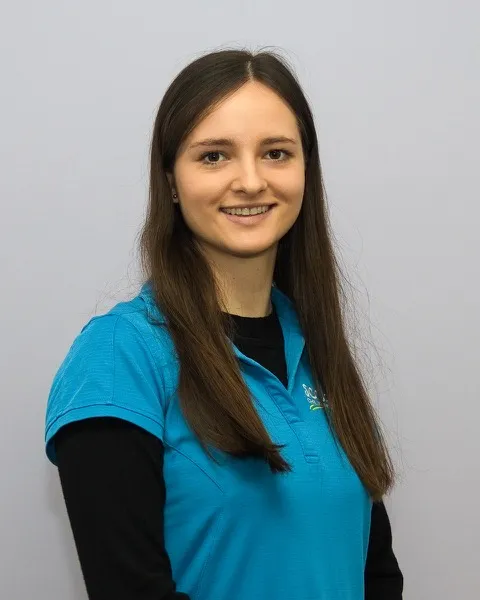
LucySpeech Pathologist 
CherrySpeech Pathologist 
JessicaSpeech Pathologist 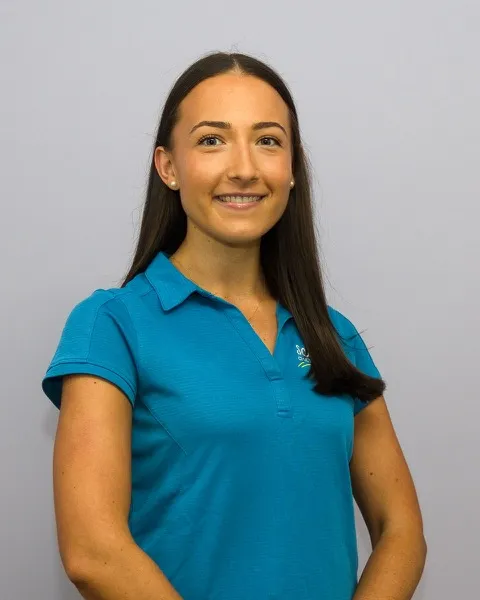
BiancaSpeech Pathologist 
JessicaSpeech Pathologist 
JadeSpeech Pathologist 
ShanyaaSpeech Pathologist 
MeganSpeech Pathologist 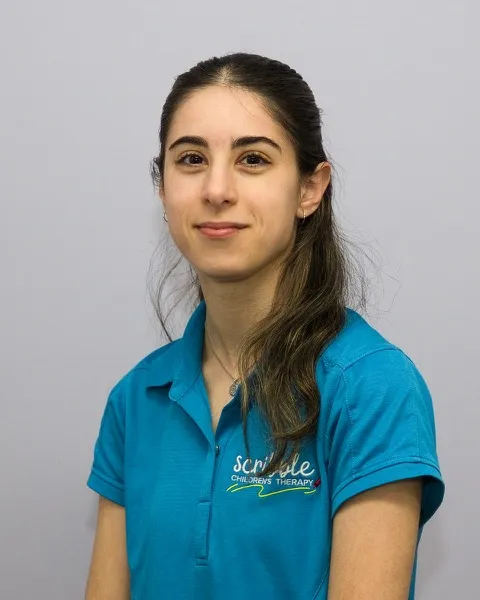
TaylorSpeech Pathologist 
AnnaSpeech Pathologist 
SherlynSpeech Pathologist - Photo coming soon
PramSpeech Pathologist

What support looks like at Scribble
- 1
Speech and language assessment
We get to know your child through play and some structured activities, and talk with you about how they communicate at home.
- 2
Clear, playful goals
We explain what we found in plain language and set goals together, such as new words, clearer sounds or following instructions.
- 3
Play-based sessions
Regular sessions build skills through games, books and toys your child enjoys, with coaching for you so practice fits into everyday moments.
- 4
Reviewing progress
We check in on progress, share ideas with kinder or school where helpful, and adjust goals as your child’s communication grows.
Common myths about speech & language delay
There’s a lot of information out there. Here are a few things families often ask us about.
- Myth
They’ll just grow out of it.
Some children do catch up on their own, but it’s hard to know which ones. Getting advice early can help you understand whether support may help, and give you ideas to use at home.
- Myth
Using signs or pictures will stop my child from talking.
Signs, gestures and pictures support communication and can reduce frustration. They don’t stop children from learning to talk.
- Myth
Speech delay is caused by something parents did.
Speech and language delays are not caused by parenting. Parents are, though, a key part of helping their child build communication skills.
- Myth
Speech therapy is just drills at a table.
For young children, most speech therapy looks like play: games, toys, books and songs, chosen around your child’s interests.
Working with educators
- With your permission, we can share your child’s goals and simple strategies with kinder and school staff
- We can suggest ways educators can support understanding, such as visuals, short instructions and extra time to respond
- We can visit kinder or school to observe your child and support educators where helpful
- We can help support early literacy, working alongside your child’s classroom learning
Things that can help at home
Small, everyday ideas you can try. Your therapist will tailor these to your child.
Get down to your child’s level and follow their lead in play
Model words back rather than correcting: “yes, a big dog!”
Pause and wait to give your child time to have a turn
Read together often, and talk about the pictures
Speech & language delay support across Melbourne
At our four clinics, or at your child’s school, kinder, home or online.
Four Melbourne clinics
Support at our clinics in Melbourne’s west and north. Bright, welcoming spaces designed for play.



Mobile
We Come To You
Therapy in your home and community, where your child is most comfortable.

In schools
Schools
We partner with schools to support students in their everyday learning environment.
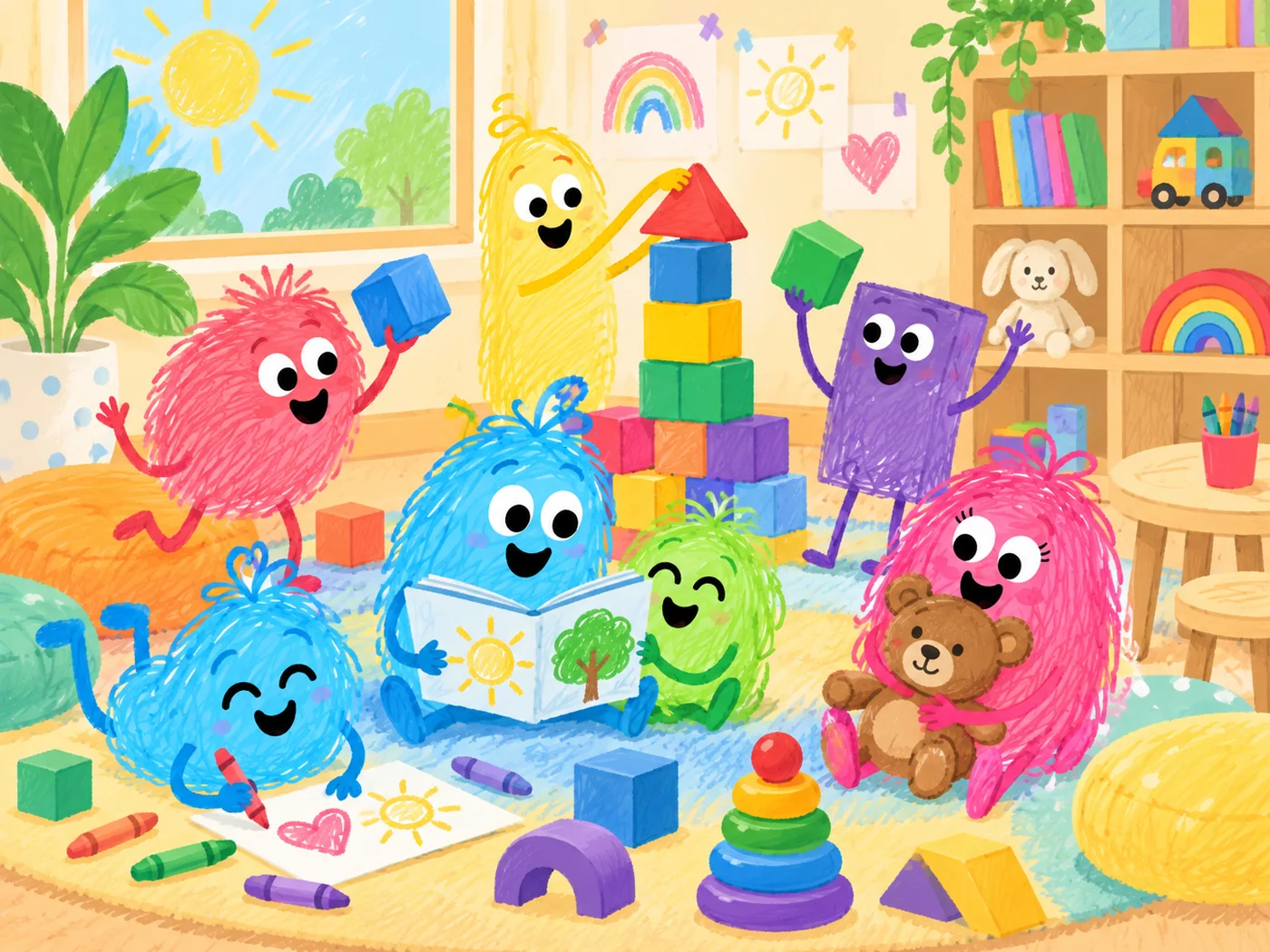
Early years
Kindergarten & Childcare
Early-years support in kinder and childcare settings, alongside educators.
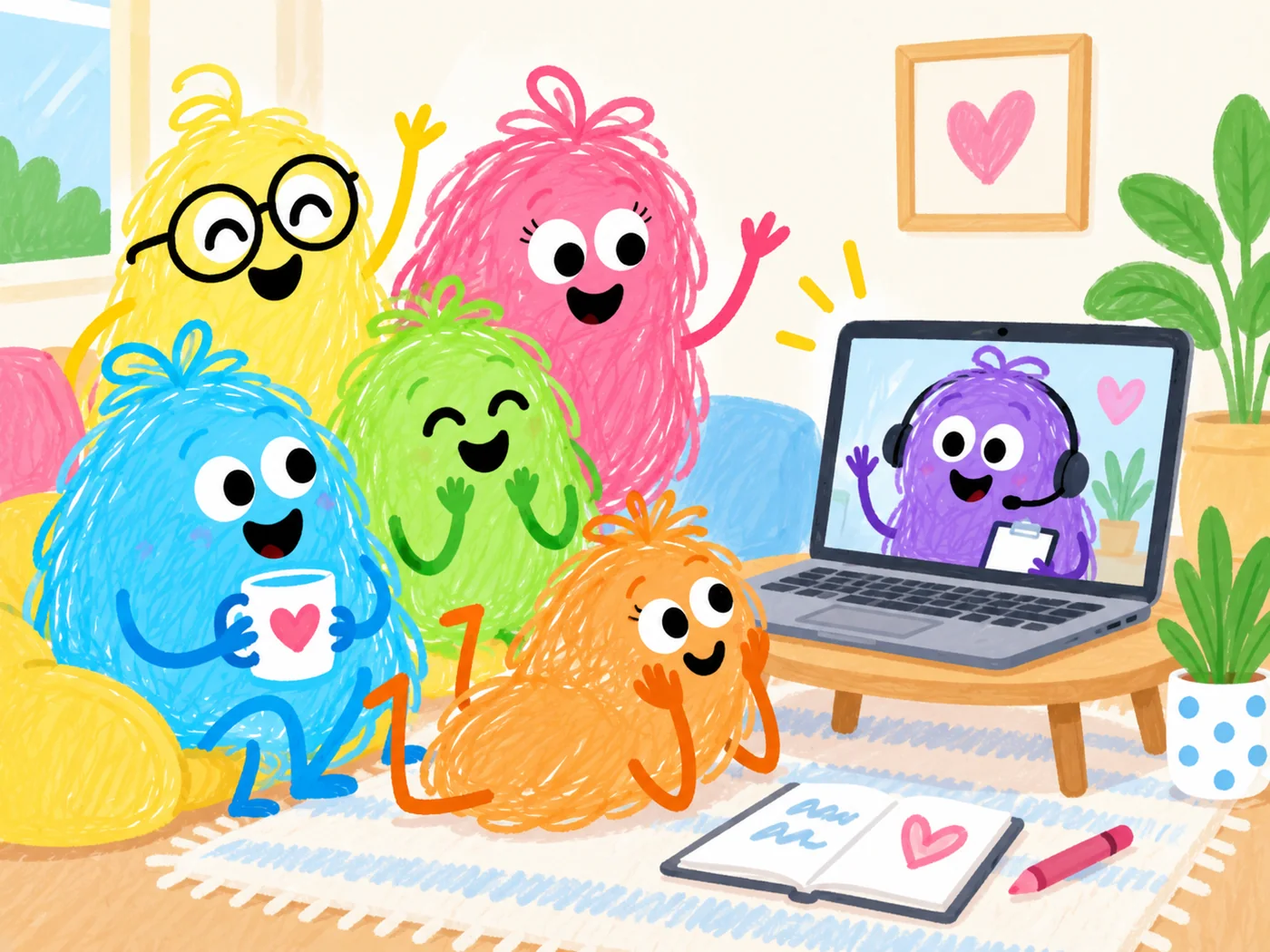
Online
Telehealth
Secure online sessions from anywhere in Australia. Flexible and family-friendly.


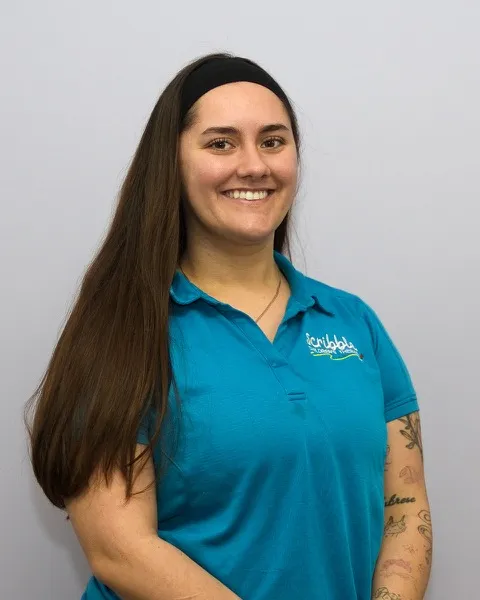

40+ friendly faces, ready to help
Ready to talk about speech & language delay support?
Send a referral online or book a time that suits. We’ll take it from there, together.