
How we help
Autism support
We support autistic children and their families with warm, strengths-based, play-led therapy, working with your child, not trying to change who they are.
- Support from Speech Pathology, Occupational Therapy & Psychology
- Assessments available
- NDIS · Medicare · Private
I strongly recommend to everyoneGoogle review
Understanding autism
Autism is a natural variation in how a child experiences the world, communicates and connects with others. Every autistic child is different, with their own strengths, interests and support needs.
We take a neurodiversity-affirming approach: our goal is to improve your child’s quality of life and help them take part in the things that matter to them, not to make them appear “less autistic”. Where it helps, we adapt the environment to suit your child rather than asking your child to change.
Support often works best when it involves the whole family and the people around your child at home, kinder and school.
Strengths we often see
Every child is unique. These are some of the strengths we regularly see and love to build on.
Many autistic children have deep, passionate interests and know a great deal about the things they love
Many notice details that others miss

Many are honest, direct and value fairness

Many have strong memories for facts, patterns, routes or routines

Many bring creative, original ways of thinking and solving problems
Many are loyal and caring with the people they trust

Signs you might notice
Every child is different. This is a general guide, not a diagnosis.

- Differences in communication and social interaction
- Strong, focused interests and a love of routine and predictability
- Sensory sensitivities to sound, light, texture, movement or taste
- A different play style, often deep and detailed rather than pretend
- Big feelings that can be hard to settle, especially after a busy day
- Preferring familiar people, places and ways of doing things
When to reach out
If you’ve noticed your child communicates, plays or responds to the world a little differently, and you’d like to understand them better, it’s okay to reach out. You don’t need a diagnosis to get support. We can work with your child’s strengths and needs right now, and talk with you about an assessment if that would help.
Trust your instincts. You know your child best, and asking questions early simply means your child and family can get the right support sooner, whether that’s a few practical strategies, ongoing therapy or a clearer picture through an assessment.
A team around your child
Depending on what your child needs, one or more of our disciplines can help, and they talk to each other.
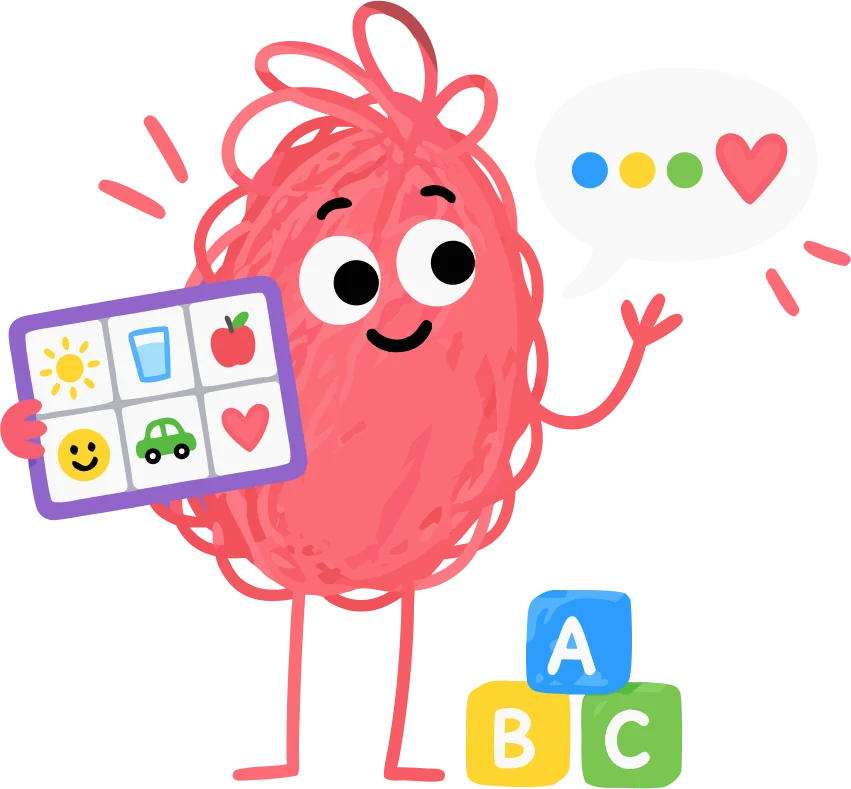
Speech Pathology
- Communication on your child’s terms: spoken language and, where helpful, AAC
- Social communication and connection through play
- Understanding and using language in everyday situations

Occupational Therapy
- Understanding your child’s sensory profile and building sensory strategies
- Regulation, routines and everyday self-care
- Practical recommendations to adapt home, kinder and school environments

Psychology
- Emotional wellbeing and understanding of self
- Support for the whole family
- Autism assessment where you’d like a clearer picture
Assessments
We offer autism assessments to help you and your child’s team understand their strengths and support needs. Assessments involve several sessions, including talking with you and observing your child. We’ll explain each step before we begin.
The team who support autism
Warm, experienced clinicians who love working with kids.
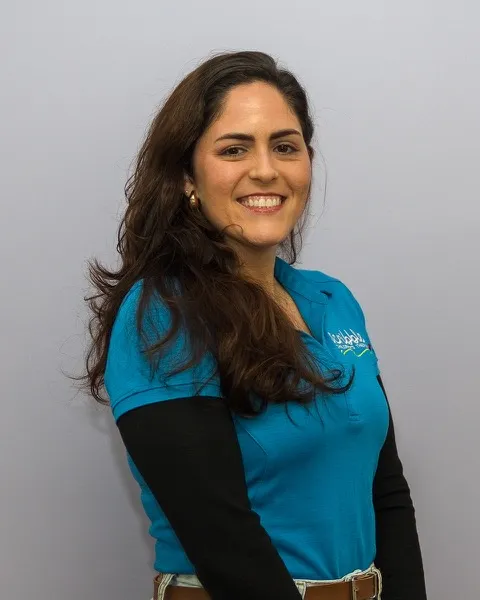
BrunaOccupational Therapist – Supervisor 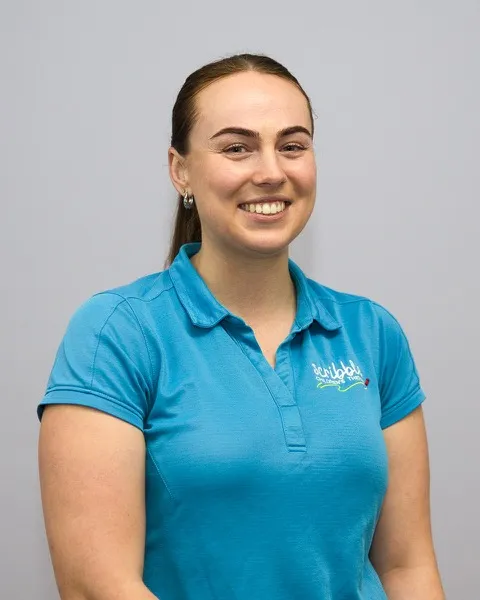
JasmynOccupational Therapist – Supervisor 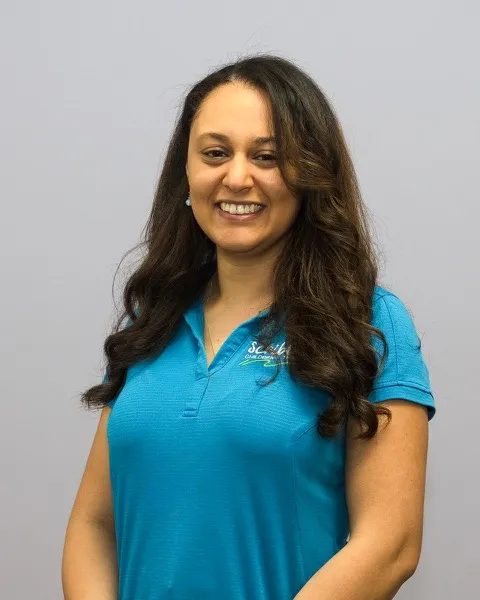
ElisabethOccupational Therapist – Supervisor 
CarloOccupational Therapist 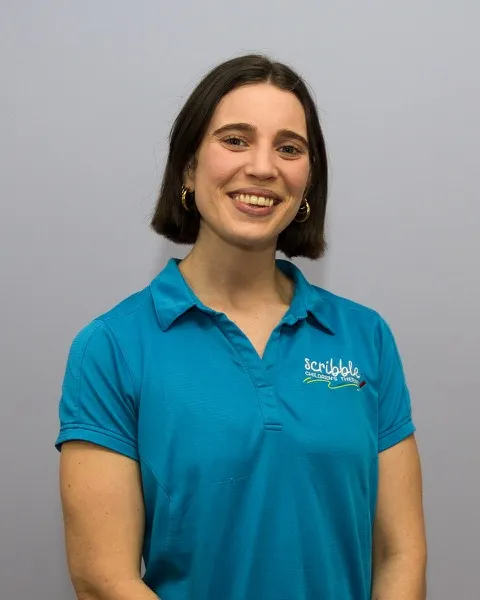
FlorenceOccupational Therapist 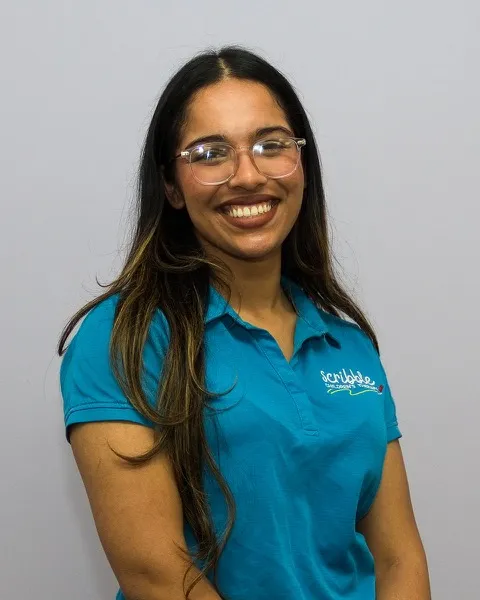
AmaniOccupational Therapist 
MeiOccupational Therapist 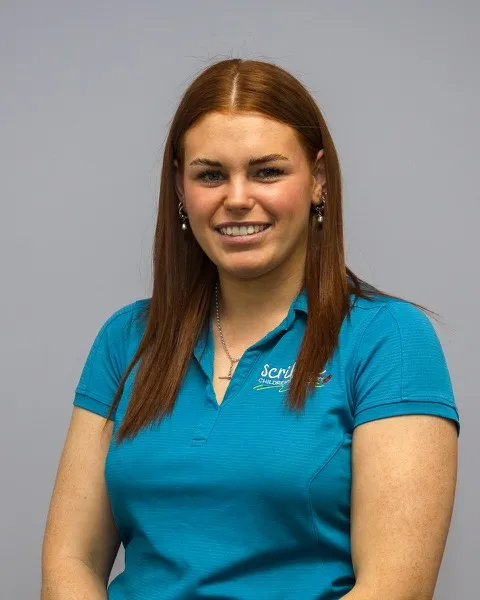
JorjaOccupational Therapist 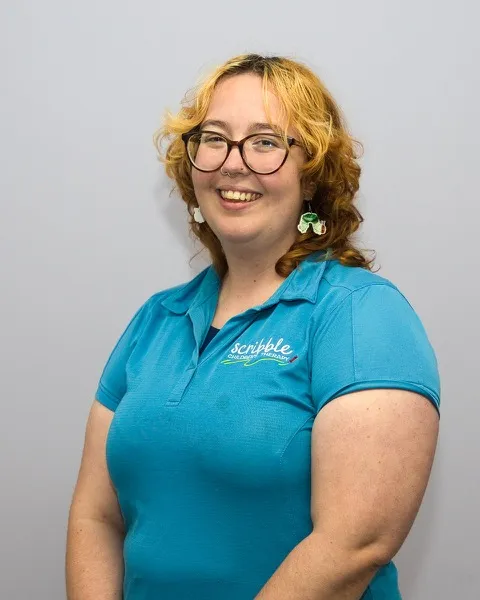
MadelineOccupational Therapist 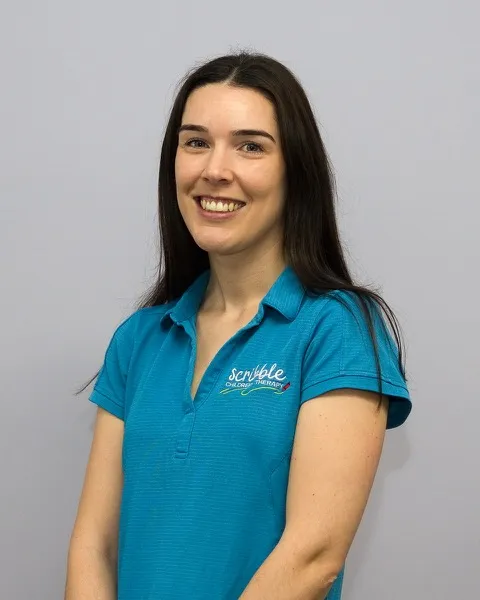
PortiaOccupational Therapist 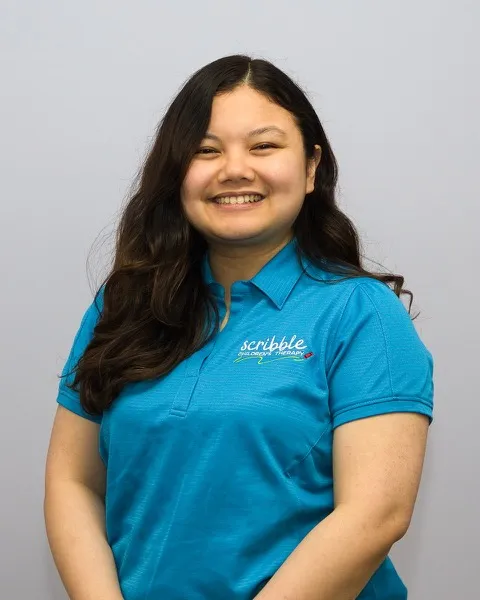
PatriciaOccupational Therapist 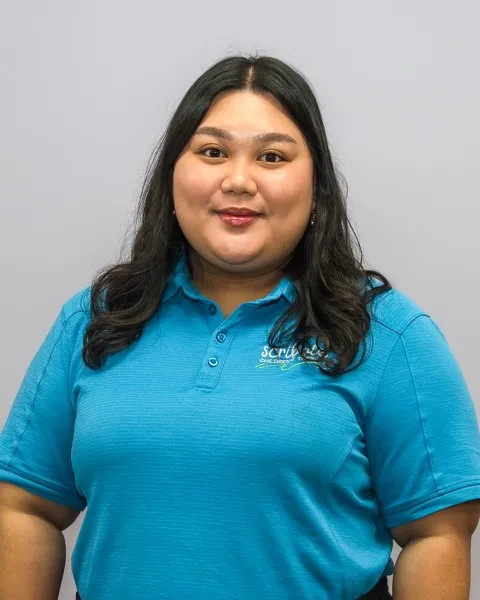
YukiOccupational Therapist 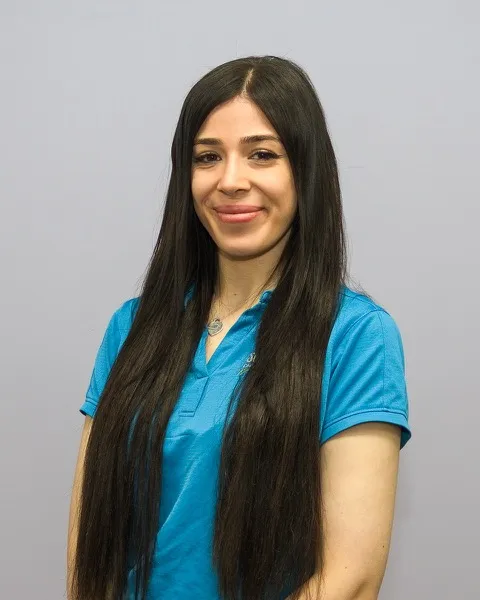
TillyOccupational Therapist 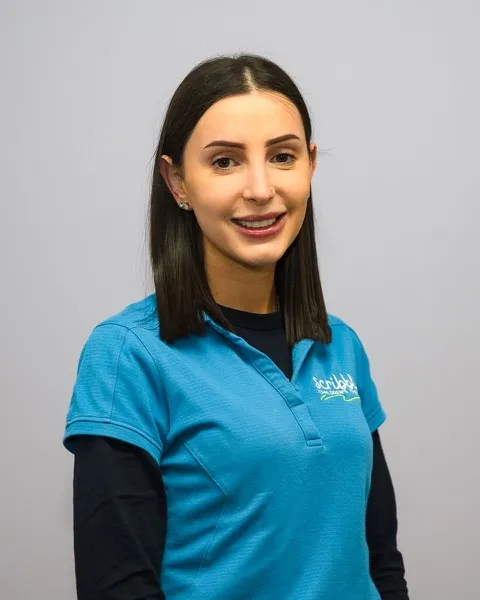
MadisonOccupational Therapist - Photo coming soon
LauraOccupational Therapist 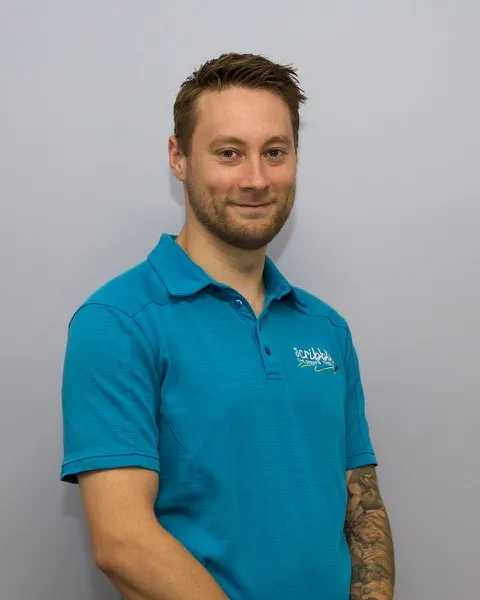
StevenPsychologist 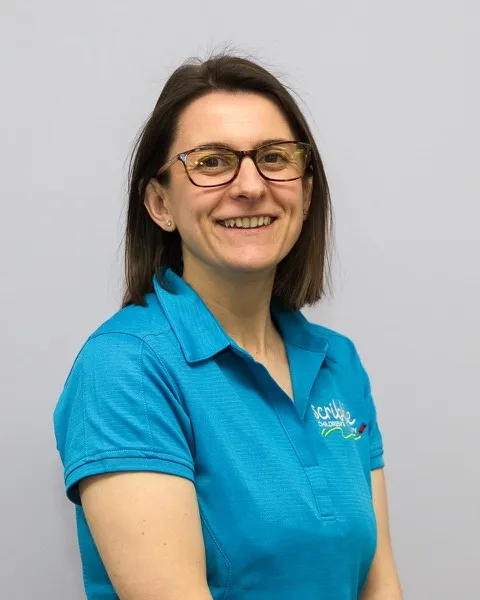
SarahPsychologist 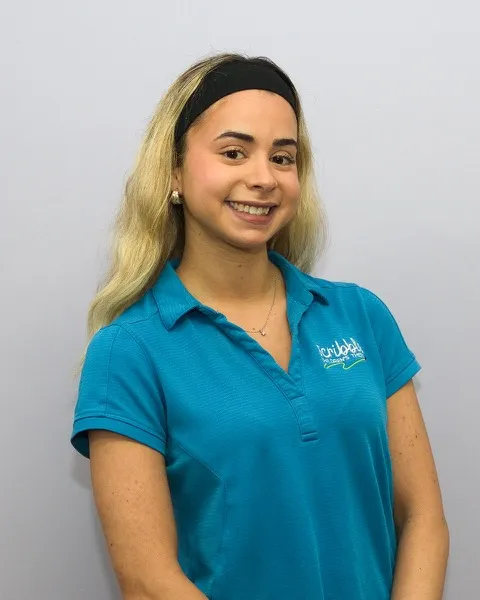
ChloePsychologist - Photo coming soon
GeniePsychologist 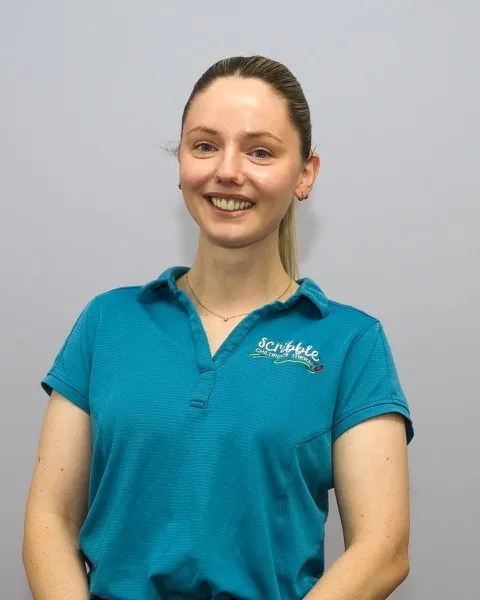
HannahSpeech Pathologist – Supervisor 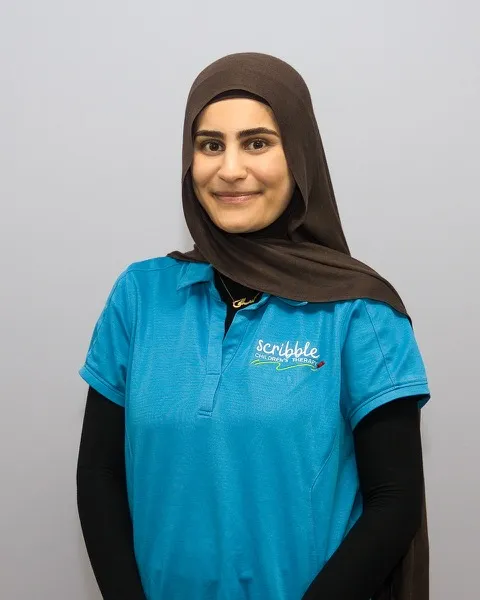
SajaSpeech Pathologist – Supervisor 
ThomasSpeech Pathologist – Supervisor - Photo coming soon
AbigailSpeech Pathologist – Supervisor 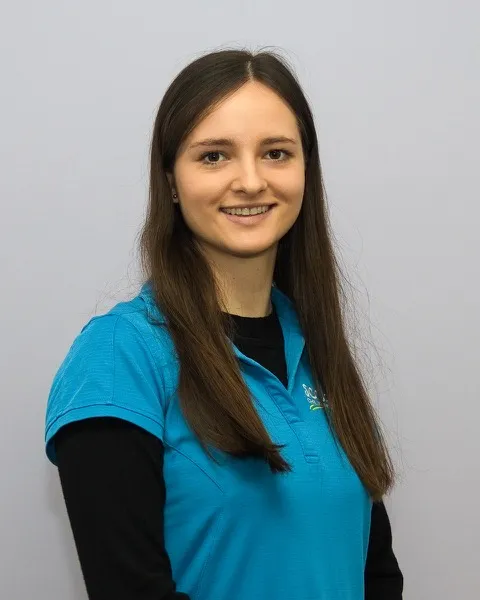
LucySpeech Pathologist 
CherrySpeech Pathologist 
JessicaSpeech Pathologist 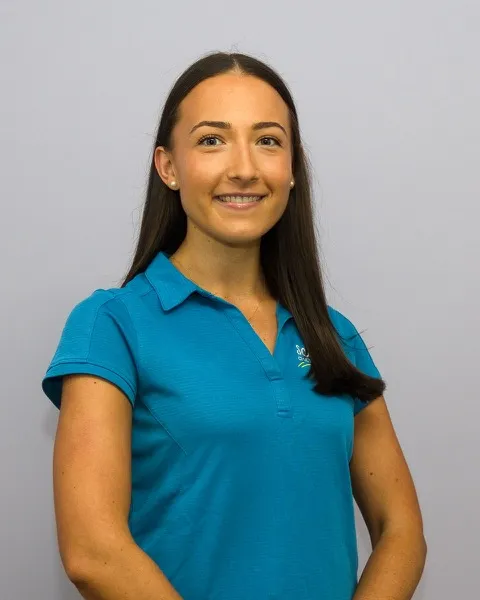
BiancaSpeech Pathologist 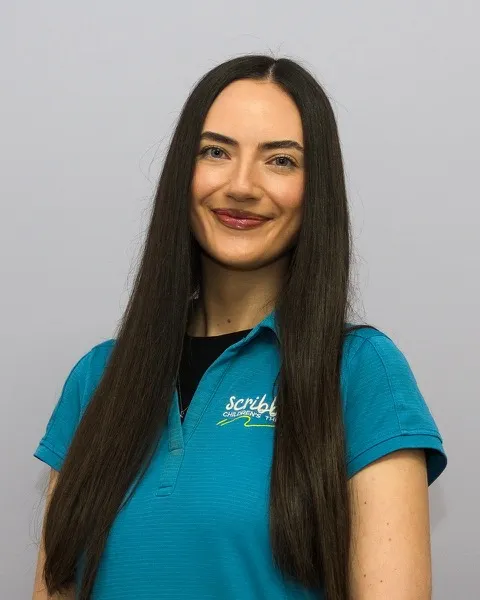
JessicaSpeech Pathologist 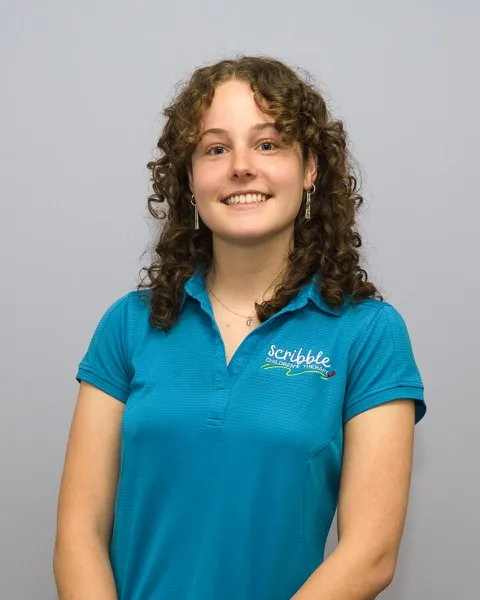
JadeSpeech Pathologist 
ShanyaaSpeech Pathologist 
MeganSpeech Pathologist 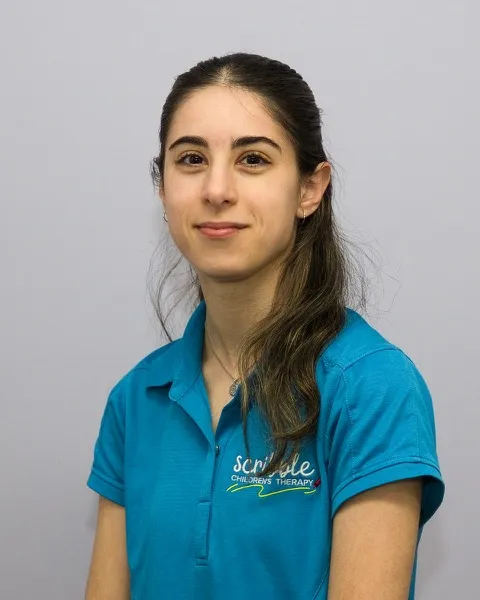
TaylorSpeech Pathologist 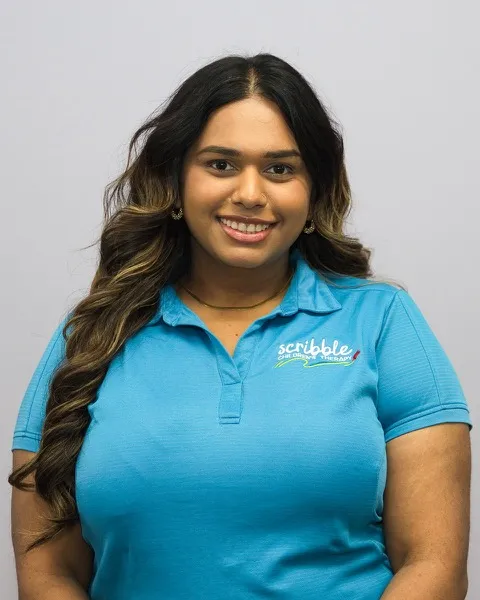
AnnaSpeech Pathologist 
SherlynSpeech Pathologist - Photo coming soon
PramSpeech Pathologist

What support looks like at Scribble
- 1
Getting to know your child
We start by listening to you and spending time with your child, learning about their interests, strengths, communication and sensory preferences.
- 2
Goals that matter to your family
Together we set goals focused on your child’s wellbeing and participation, such as communicating needs, enjoying play or managing busy days.
- 3
Therapy across disciplines
Depending on your child’s needs, support may involve speech pathology, occupational therapy and psychology, working together, in clinic or where your child spends their day.
- 4
Reviewing and adjusting
We check in regularly with you, and with kinder or school where helpful, and adjust support as your child grows and their needs change.
Common myths about autism
There’s a lot of information out there. Here are a few things families often ask us about.
- Myth
Autism looks the same in every child.
Every autistic child is different. Some talk a lot, some communicate in other ways; some seek out sensory input, others avoid it. That’s why we get to know each child as an individual.
- Myth
Autism is caused by parenting.
Autism is not caused by parenting. It’s a natural difference in how a person’s brain develops and experiences the world.
- Myth
Autistic children don’t want friends.
Many autistic children do want connection and friendship. They may just connect in different ways, such as through shared interests or side-by-side play.
- Myth
The goal of therapy is to make children seem less autistic.
Neurodiversity-affirming support focuses on your child’s wellbeing, communication and participation in the things that matter to them, not on changing who they are.

Working with educators
- With your permission, we can share your child’s strengths, communication style and sensory preferences with kinder and school staff
- We can suggest practical classroom adjustments, such as visual schedules, quiet spaces or movement breaks
- We can visit kinder or school to observe your child and work alongside educators where helpful
- We can help plan for transitions, like starting kinder, moving to school or changing year levels
Things that can help at home
Small, everyday ideas you can try. Your therapist will tailor these to your child.
Keep routines predictable, and give a heads-up before changes
Use visual supports: pictures, lists or a simple schedule
Follow your child’s interests as a way in to play and connection
Build in sensory breaks before and after busy activities
Autism support across Melbourne
At our four clinics, or at your child’s school, kinder, home or online.
Four Melbourne clinics
Support at our clinics in Melbourne’s west and north. Bright, welcoming spaces designed for play.

Mobile
We Come To You
Therapy in your home and community, where your child is most comfortable.
In schools
Schools
We partner with schools to support students in their everyday learning environment.
Early years
Kindergarten & Childcare
Early-years support in kinder and childcare settings, alongside educators.
Online
Telehealth
Secure online sessions from anywhere in Australia. Flexible and family-friendly.
Related areas we support
ADHD
We help children with attention, activity and impulse differences thrive at home and school, building on their energy, creativity and strengths.
Learn moreSensory processing
When the world feels too loud, bright or busy, or not busy enough, our occupational therapists can help your child feel calmer and more in control.
Learn moreSpeech & language delay
If your child is a late talker or hard to understand, our speech pathologists can help, with playful, practical support you can carry into everyday life.
Learn more

40+ friendly faces, ready to help
Ready to talk about autism support?
Send a referral online or book a time that suits. We’ll take it from there, together.